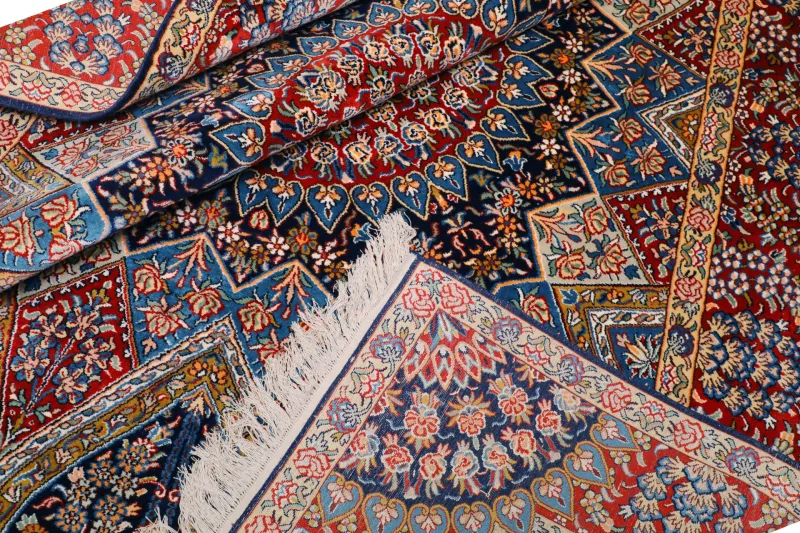
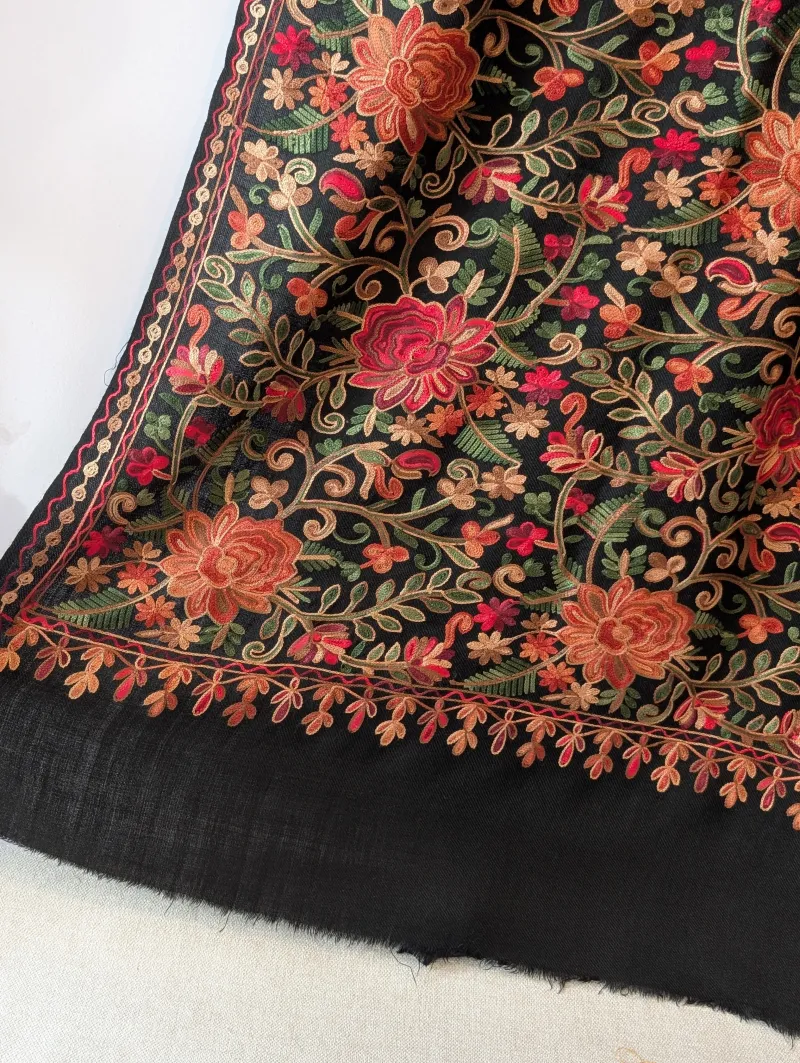
Rooted in the Earth: How Kashmiri Botanical Dyes Are Reshaping American Luxury Interiors
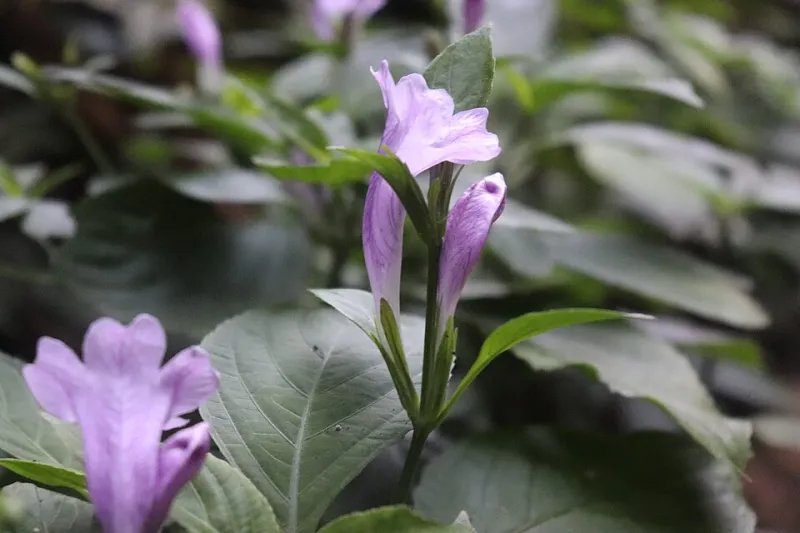
Photo: 7weaves, CC BY-SA 4.0, via Wikimedia Commons
There is a particular quality of blue that no laboratory has ever fully replicated. It lives in old textiles, in faded dhurries passed down through generations, in shawls that have absorbed decades of light without surrendering their depth. It is the blue of indigo — specifically, of Indigofera tinctoria cultivated and processed through Kashmir's ancient fermentation traditions — and it is quietly becoming one of the most sought-after signatures in American high-end interior design.
The shift is neither sudden nor superficial. Over the past several years, a growing cohort of American designers — those who furnish the homes of collectors, executives, and cultural tastemakers — have been making deliberate journeys away from synthetic colorants and toward something far older, and far more alive.
The Chemistry of Permanence
To understand why Kashmiri botanical dyes command such reverence, it helps to understand what makes them structurally different from their industrial counterparts. Natural dyes derived from plants — indigo, madder root, pomegranate rind, walnut shell, saffron, and the prized kath or catechu — bond with textile fibers through a process of mordanting, in which metallic salts such as alum or iron act as bridges between the dye molecule and the yarn. The result is not a surface coating but a molecular integration. The color becomes part of the fiber itself.
Synthetic dyes, developed in the mid-nineteenth century and dominant ever since, achieve vibrancy quickly and cheaply. But many fade under ultraviolet exposure, shift in tone with repeated washing, and carry an environmental cost that is increasingly difficult for luxury consumers to ignore. Natural dyes, by contrast, tend to age with what designers describe as patina rather than deterioration — deepening, softening, and acquiring a visual complexity that synthetic pigments cannot simulate.
For interiors designed to endure, this distinction is not merely aesthetic. It is architectural.
Kashmir as the Source
Kashmir's position as a center of botanical dye tradition is not incidental. The region's unique ecology — high-altitude meadows, mineral-rich waterways, and a temperate climate — produces both the raw plant materials and the water chemistry that dye-makers have relied upon for centuries. The Dal Lake watershed, the saffron fields of Pampore, and the walnut orchards of the Valley collectively constitute a natural dye garden of extraordinary range.
Kashmiri artisans have historically applied these materials to wool, silk, and the region's celebrated pashmina, developing regional color vocabularies that differ subtly from valley to valley. The deep indigo blues associated with certain Kashmiri sozni embroidery traditions, for instance, are produced through a vat-dyeing process that involves weeks of careful fermentation — a technique that cannot be meaningfully accelerated without compromising the color's characteristic luminosity.
It is precisely this irreducible slowness that makes Kashmiri natural dyes so compelling to designers working at the upper end of the American market.
What American Designers Are Saying
Interior designers working in cities such as New York, San Francisco, Chicago, and Houston have begun incorporating naturally dyed Kashmiri textiles — rugs, throws, wall hangings, embroidered cushion panels — as anchor pieces in residential and hospitality projects. The appeal, as many describe it, is layered.
First, there is the question of sustainability credentials. High-net-worth American clients are increasingly attentive to the provenance and environmental impact of the objects in their homes. A naturally dyed Kashmiri rug, produced without synthetic chemicals and by artisans working within a centuries-old guild structure, offers a narrative that resonates with values-driven purchasing in a way that a mass-produced import simply cannot.
Second, there is the matter of color behavior over time. Designers who work on long-term residential projects — homes intended to be lived in and loved across decades — have observed that naturally dyed textiles from Kashmir do not merely hold their color. They evolve it. An indigo-dyed wool carpet installed in a well-lit Manhattan living room will look meaningfully different, and arguably more beautiful, at fifteen years than at fifteen months. This quality of graceful aging is something clients increasingly request by name.
Third, and perhaps most significantly, there is the growing recognition that botanical dyes produce colors that exist nowhere else. The particular warmth of a madder-dyed Kashmiri pashmina, the greenish undertones in a weld-based gold, the slight mineral coolness of an iron-mordanted gray — these are colors that carry geographic and biological specificity. They cannot be matched from a swatch book.
Indigo's Particular Resurgence
Of all the botanical dyes in Kashmir's palette, indigo occupies a singular position in the current American design conversation. Its resurgence tracks with broader cultural movements — the revival of Japanese shibori, the global interest in slow textiles, the reassessment of craft as intellectual and artistic practice — but in the Kashmiri context it carries additional weight.
Kashmiri indigo traditions predate the region's famous shawl industry, and the dye's journey from plant to fiber involves a degree of craft knowledge that practitioners describe as intuitive as much as technical. Reading the vat — assessing its readiness by color, smell, and surface behavior — is a skill transmitted through apprenticeship over years. It cannot be learned from a manual.
For American collectors and designers, this depth of embedded knowledge is part of what they are acquiring when they source from Kashmiri workshops. They are not simply purchasing a color. They are purchasing a living practice.
Integrating Botanical Color into the American Home
For those considering the incorporation of naturally dyed Kashmiri textiles into a residential interior, several principles guide successful integration.
Allow for tonal variation. Botanical dyes produce slight irregularities across a textile's surface — variations in depth, subtle shifts in hue — that are features rather than flaws. Interiors that embrace this quality tend to feel warmer and more considered than those that demand machine-like uniformity.
Consider light conditions carefully. Naturally dyed textiles respond to light differently across the day. An indigo-dyed throw that reads as deep navy in morning light may reveal violet or teal undertones by late afternoon. This responsiveness is one of the medium's great pleasures, but it rewards thoughtful placement.
Pair with natural materials. Botanically dyed Kashmiri pieces tend to sit most harmoniously alongside other natural materials — stone, unfinished wood, linen, leather — rather than against high-gloss or heavily synthetic surfaces. The earthen origins of the dye palette are most legible in rooms that share that material vocabulary.
Invest in care. Naturally dyed textiles reward gentle handling. Dry cleaning by specialists familiar with natural fiber and dye systems is advisable for significant pieces. Exposure to prolonged direct sunlight, while it produces the characteristic patina, should be managed rather than ignored.
The Antidote to Disposability
The deeper significance of the American design world's turn toward Kashmiri botanical dyes lies in what it represents as a cultural statement. In an era defined by the accelerating disposability of objects — fast furniture, trend-driven textiles, interiors designed to be photographed rather than inhabited — the choice of a naturally dyed piece from a Kashmiri workshop is an act of deliberate resistance.
It is a declaration that color can have memory, that craft can have geography, and that the objects we choose to live with can carry meaning that accumulates rather than depletes over time. For the American collector who has grown weary of the ephemeral, Kashmir's botanical dye traditions offer something genuinely rare: permanence with a soul.